
Opacity
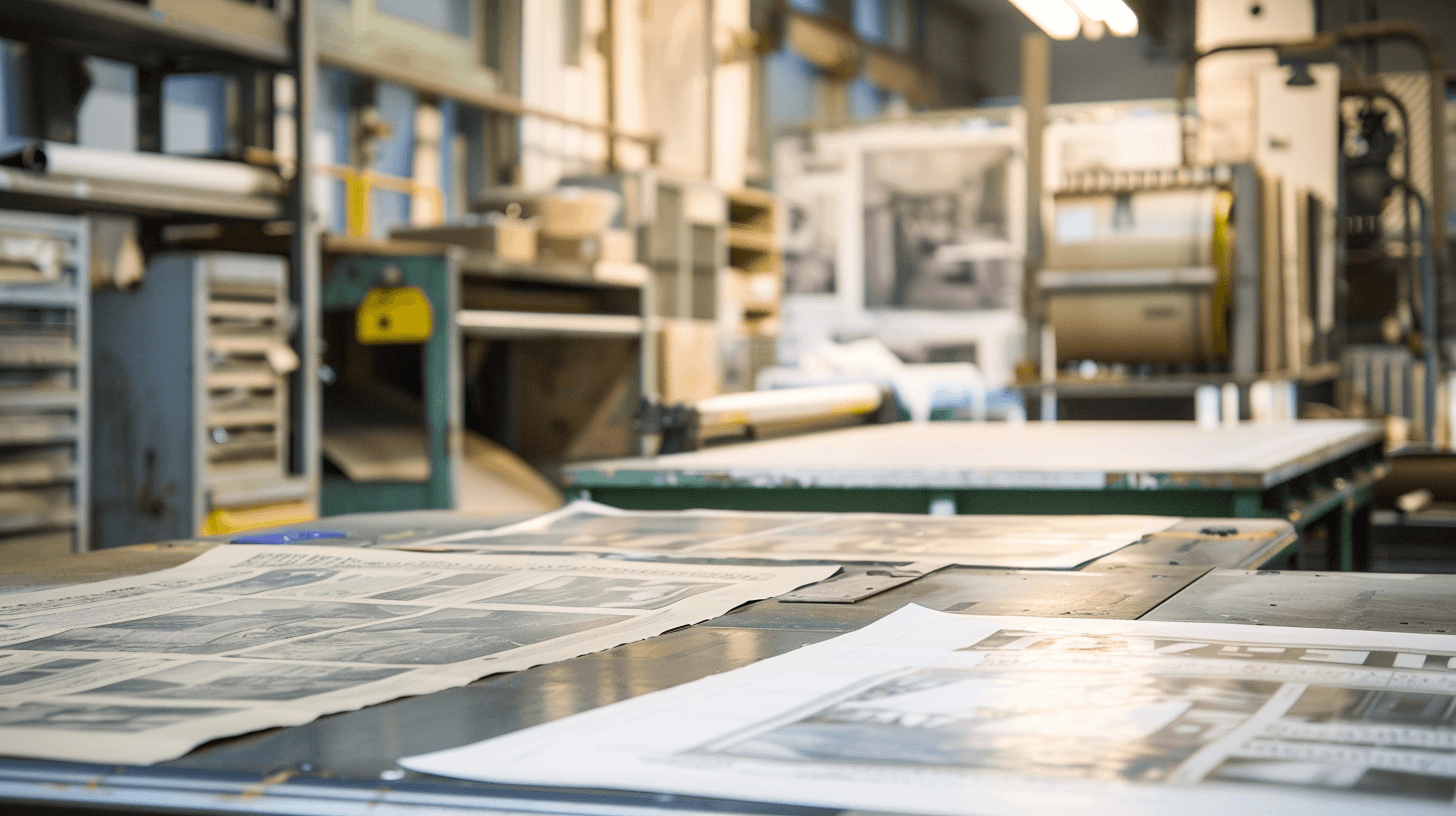
Opacity: The Measure of Paper’s Light Transmission
Opacity refers to how much light passes through a sheet of paper. A higher opacity level means less light can penetrate, which significantly improves readability and print quality — especially for double-sided printing. High-opacity papers prevent images or text from the reverse side from showing through, ensuring a clear and professional look. This helps maintain the visual integrity of the printed pages and provides a more pleasant reading experience.
It's different with traditional newspaper paper, which tends to allow more light to pass through. Low-opacity newspaper paper has its own unique charm and captures the authentic feel of classic newspapers. For readers, it evokes a nostalgic touch and the familiar feel of daily papers. Additionally, low-opacity newsprint is more affordable and eco-friendly, often made from recycled fibres. These qualities make it an ideal choice for high-volume printing projects where cost-efficiency and authenticity are key.
Why Is Opacity Important for Printing?
- Readability: Higher opacity prevents show-through from the reverse side, enhancing readability
- Print Quality: Ensures crisp, vibrant results without distracting transparency
- Perception: More opaque papers often feel higher in quality and more professional due to their tactile nature.
Key Factors That Influence Paper Opacity
- Paper Thickness and Quality: Thicker, high-quality papers generally offer higher opacity
- Fillers and Coatings: Additional substances in the paper reduce light transmission
- Ink Coverage: Dense ink coverage can also impact opacity levels.
Opacity of Our Paper Types in Online Printing
Our print products include a range of paper types with varying opacity levels:
- Offset Printing from 2,000 Newspapers: Genuine newspaper paper from 42 g/m2 to 52 g/m2 with improved special colouring
- Digital Newspaper Printing from 1 Copy: Newspaper-style paper from 49 g/m2 to sturdy and extra white 90 g/m2
- Magazine Printing from 1 Copy: High-quality papers from 90 g/m2 to visually and tactilely elegant 170 g/m2