
RGB Colour Model
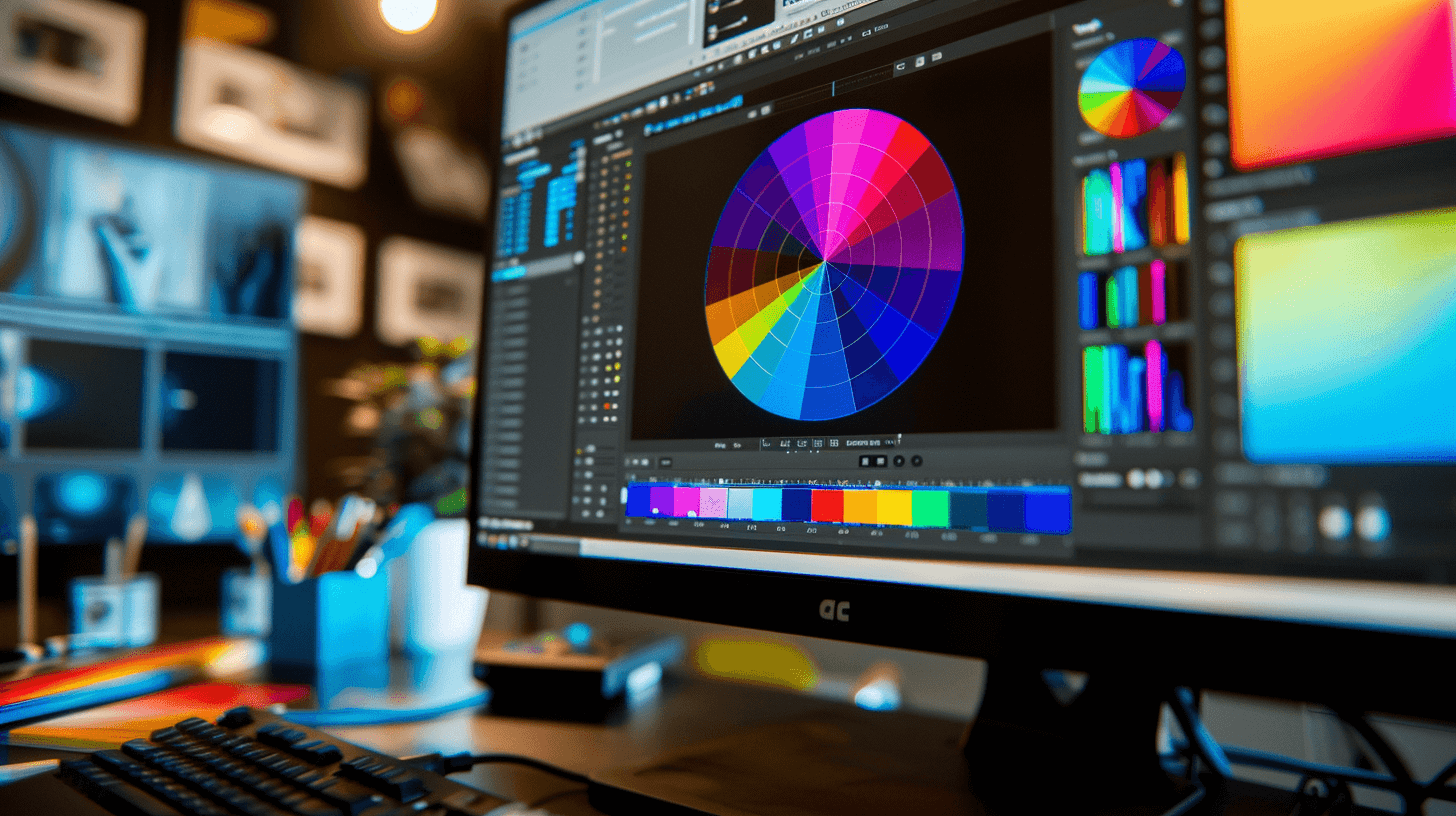
RGB Colour Model: Basis for Colour Display in Digital Media
The RGB colour model is based on the three primary colours red, green and blue. By mixing these colours at different intensities, it produces a wide range of shades. It is mainly used in digital media such as screens and cameras. The RGB model is additive. This means: colours are created by adding light of different wavelengths. When all three colours are combined at full intensity, the result is white.
This model is ideal for all types of digital applications, as screens emit light and can therefore display a broad colour spectrum. Photographers, designers and web developers use the RGB model to create and edit images that should appear vivid and precise.
While RGB is perfect for digital media, these colours must be converted into the CMYK colour model for printing. This is because printers work with cyan, magenta, yellow and black (CMYK) and are based on a subtractive colour system, where colours are created by removing light.
How the RGB Colour Model Works
- Additive colour mixing: Colours are created by adding light in red, green and blue
- Intensity values: Each colour channel (R, G, B) has a value from 0 to 255, where (0, 0, 0) is black and (255, 255, 255) is white
- Wide colour spectrum: The RGB model can display a large number of colours, making it ideal for screens and digital applications